Wildfire Mitigation for Utilities.
Protect critical utility infrastructure from wildfire risk with seasonal mitigation services.
Utilities face regulatory, financial, and public safety exposure from wildfire while operating in some of the most wildfire-exposed infrastructure in the country. Power shutoffs, infrastructure loss, and liability exposure have made wildfire mitigation a core business requirement—not a secondary concern.
Matrix Wildfire provides mitigation that aligns with infrastructure protection and insurance requirements.
Risk Modeling
Identify & Cure Data Models
Technical Blueprint: The Step-by-Step Integration
Matrix Wildfire leverages components of clients insurance IRP architecture: Risk Modeling and Risk Data Lakes.
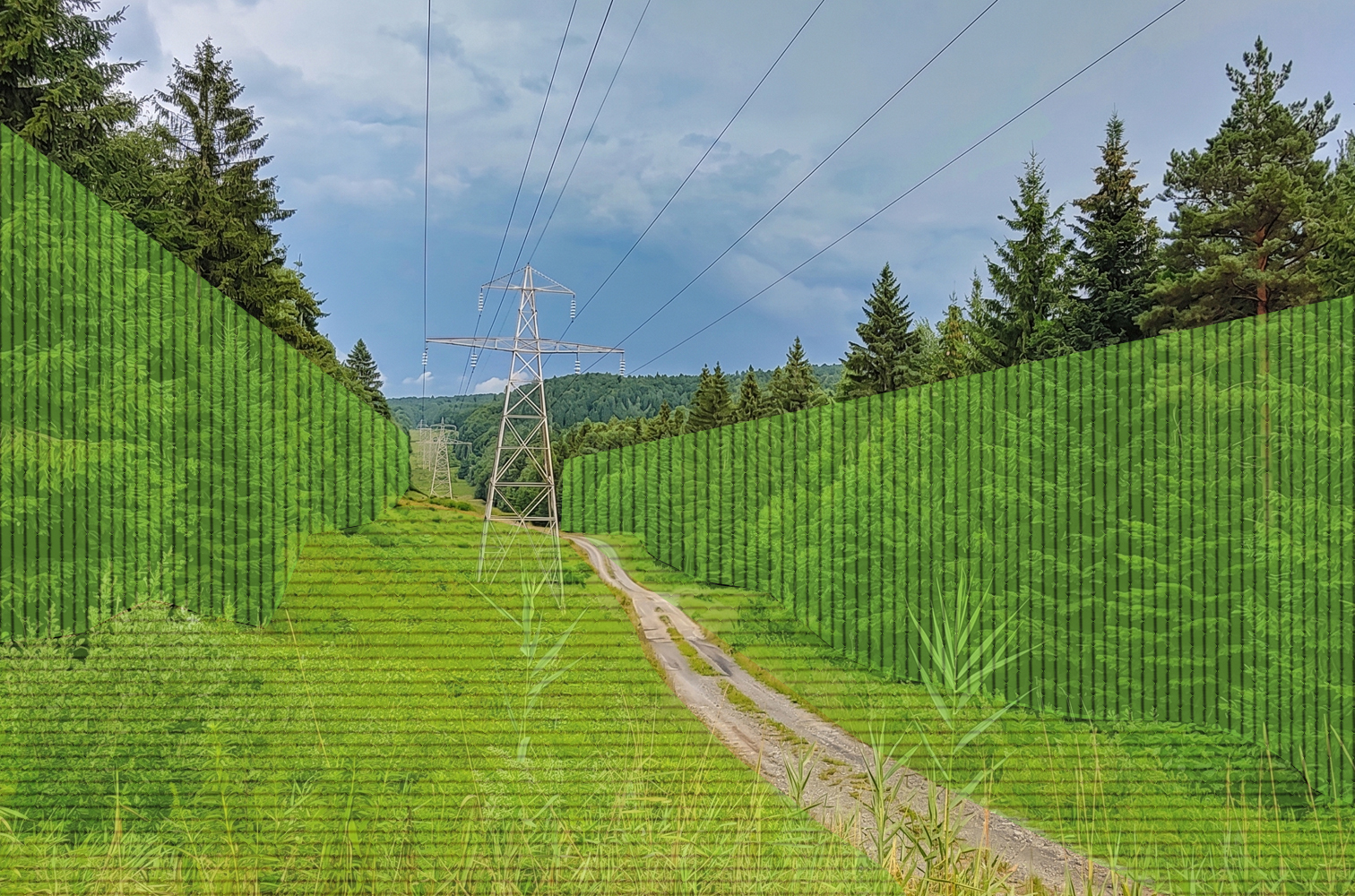
- Client Asset Data: Matrix Wildfire maps high wildfire risk right-of-way (ROW) and maintenance-of-way (MOW), segmenting tracks into 100-meter geo-fenced intervals rather than single lines.
- Extract High-Risk Targets: Matrix Wildfire data models high risk spray mitigation across the track segments. The model analyzes historical fuel loads, slope, and weather vectors to generate a localized burn probability profile, pinpointing the exact coordinates where an ignition would cause catastrophic loss.
- Execute Precision Premitigation Spraying: Data is fed directly into our GUARDIAN spraying system's navigation targeting high-risk coordinates. GUARDIAN'S system applies nontoxic retardant precisely to those high-threat zones.
- Generate Telemetry Verification: Matrix GUARDIAN'S spraying hardware logs real-time telemetry: timestamp, precise GPS path, flow rate, and fuel saturation. This log acts as the physical proof of mitigation.
- Write Back to the Risk Data Lake: Matrix GUARDIAN'S telemetry logs into the client’s Risk Data Lake using Python/SQL extensions, overwrites the local "fuel load" or "ignition factor" variables for those treated track segments to reflect the 300% mitigation efficiency.
FAQs
Questions about how we help utilities
No. It complements vegetation programs by addressing fire behavior, not just fuel removal
Yes. The system is designed for continuity and coverage at scale.
Yes. Documentation supports compliance and oversight requirements.